Themed tour
Wallfahrtskirche Mariastein
“Princely crown and scepter”
In the footsteps of Archduke Maximilian III (the German Master)

Day tour guide
€290.00
church tour
160,00 €
max. 1.5 h

Meeting Point
Either on site or by arrangement

Languages
German and English
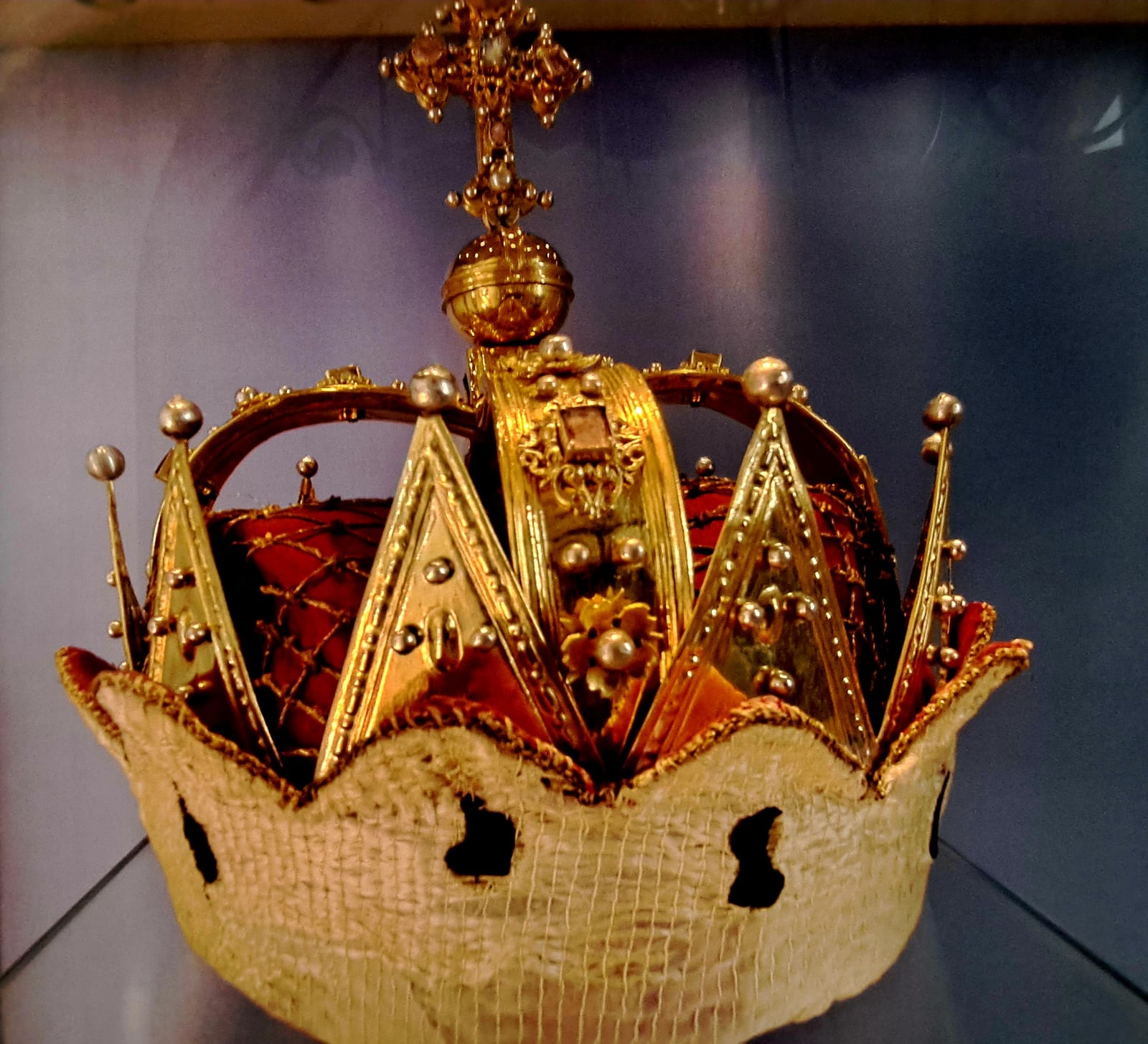
Archduke’s hat
The Archducal Crown in the Mariastein pilgrimage church is one of the Tyrolean state insignia donated by Archduke Maximilian III to Mariastein Castle in the 16th century, before it became a place of pilgrimage. It served as a model for the Austrian Archducal Crown and is a symbol of Tyrol’s former special status as a princely county within the Habsburg hereditary lands.
About the tour
Join me on a journey back in time to the distant past, when Archduke Maximilian III left his mark on Tyrol in the 16th and 17th centuries. At the beginning of his career, he was Grand Master of the Teutonic Order, later ruling as Regent of Tyrol and the Habsburg territories.
The Tyrolean princes from the House of Habsburg began wearing the Tyrolean archducal crown in 1477. On particularly solemn occasions, they would appear before the assembled estates wearing this symbol of their dignity.
And it was Maximilian III, the first Grand Master, who presented these princely insignia to the Marian shrine at Mariastein in 1602.
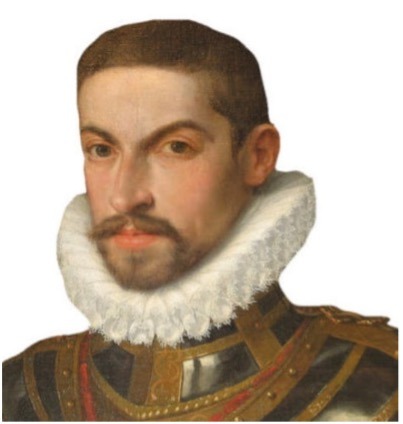
Archduke Maximilian III
Archduke Maximilian III, founder of the Austrian Archduchy, was a son of Emperor Maximilian II and the younger brother of Emperors Rudolf II and Matthias. He remained unmarried and was Grand Master of the Teutonic Order from 1585/1590. Elected King of Poland by a minority, he was forced to renounce the Polish crown in 1589. From 1593 to 1595, he was governor of Inner Austria (Styria, Carinthia, and Carniola) and from 1602 until his death, he was regent of Tyrol and the Habsburg borderlands.
Death
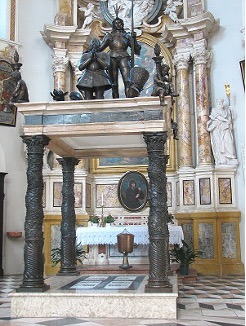
Maximilian died in Vienna and was buried in the Maximilian Mausoleum in St. Jacob’s Cathedral in Innsbruck.
Historical tour Description:
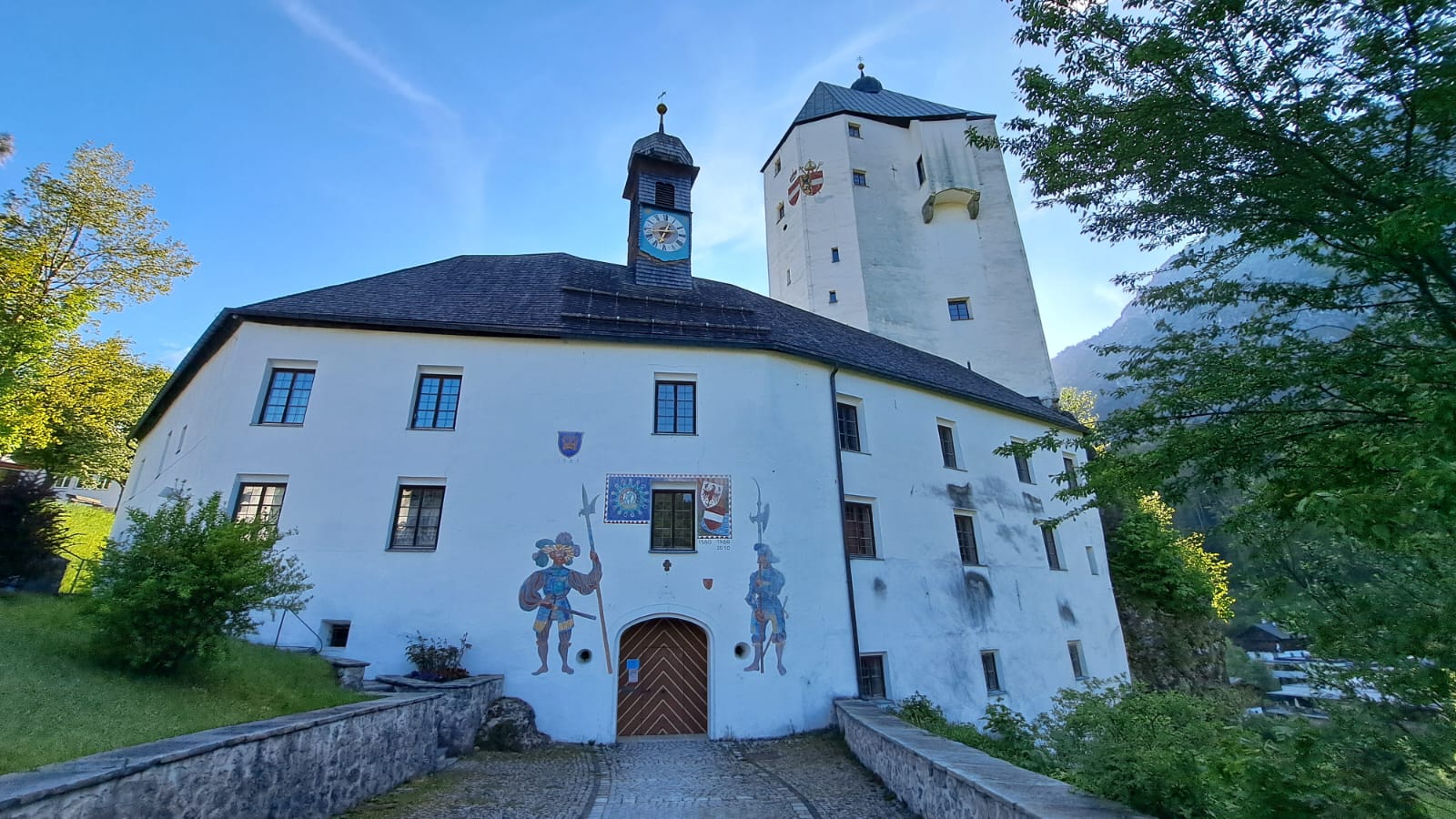
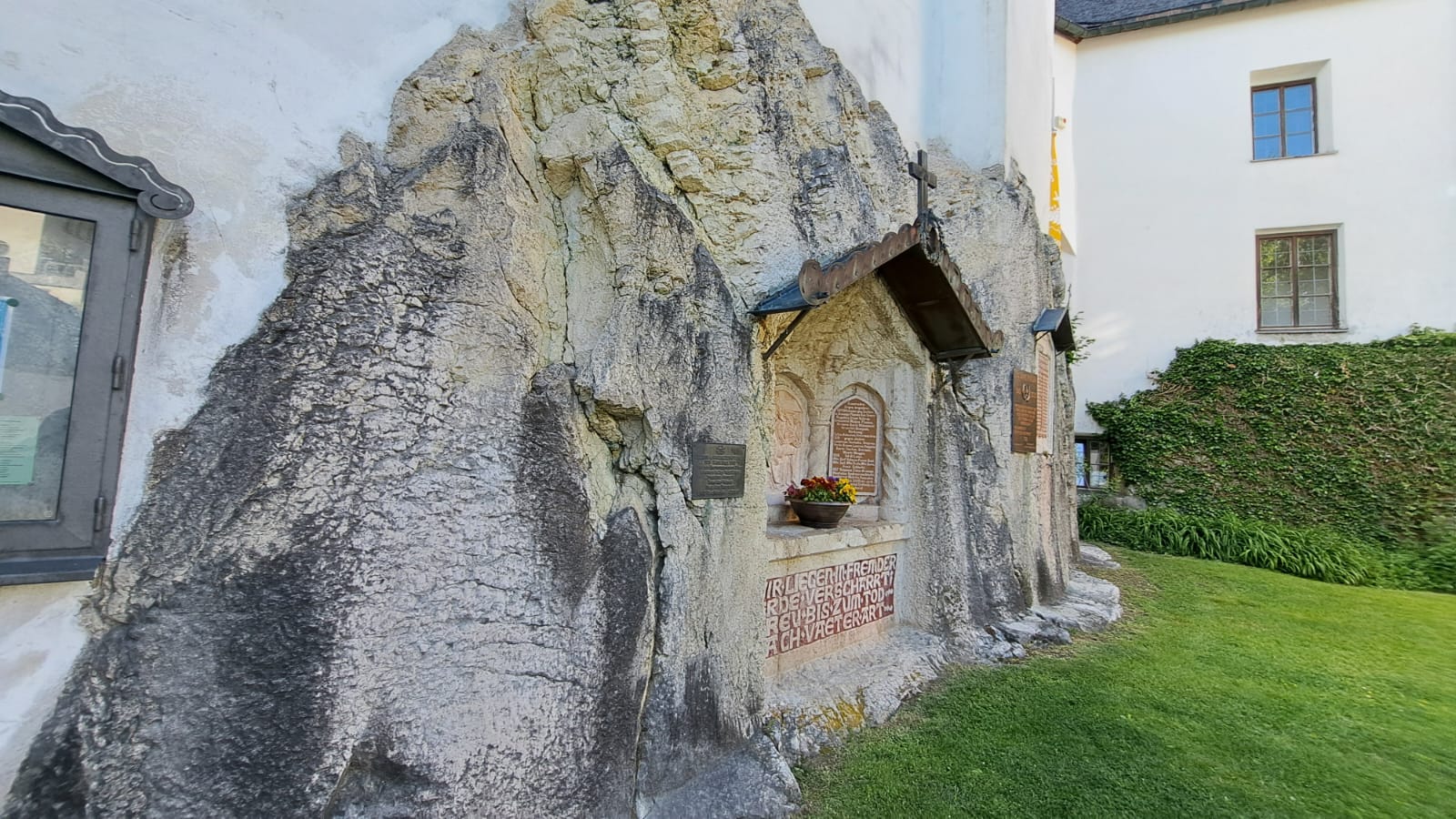
We will be happy to pick up your group from your hotel and drive together to the dreamy pilgrimage site of Mariastein. The fortified tower of the complex, which was built around 1361 by the Lords of Freundsberg, can be seen from afar. The fact that the church and the miraculous image are located on the top floor of this building and can only be reached by climbing 150 steps is evidence of the tower’s original military purpose. In the early Middle Ages, the Knights of Freundsberg, who resided in their castle of the same name in Schwaz, played an important role in the North Tyrolean lowlands.
The armed conflicts that broke out in 1356 as a result of the marriage of Louis of Brandenburg to Margaret Maultasch had a particularly threatening effect on this area. The Freundsbergers were also forced to fortify their rich possessions in the Lower Inn Valley. At that time, the most important road to Rosenheim led past this castle via the Angerberg. After the road was relocated to the other bank of the Inn and advances were made in the field of warfare, the fortifications became meaningless, as the castle could no longer withstand the firearms developed in the 15th century. The horizontal part of the building, the castle, dates back to the 15th and 16th centuries and was used as a residential wing.
What you will see
✓ Mariastein castle gate
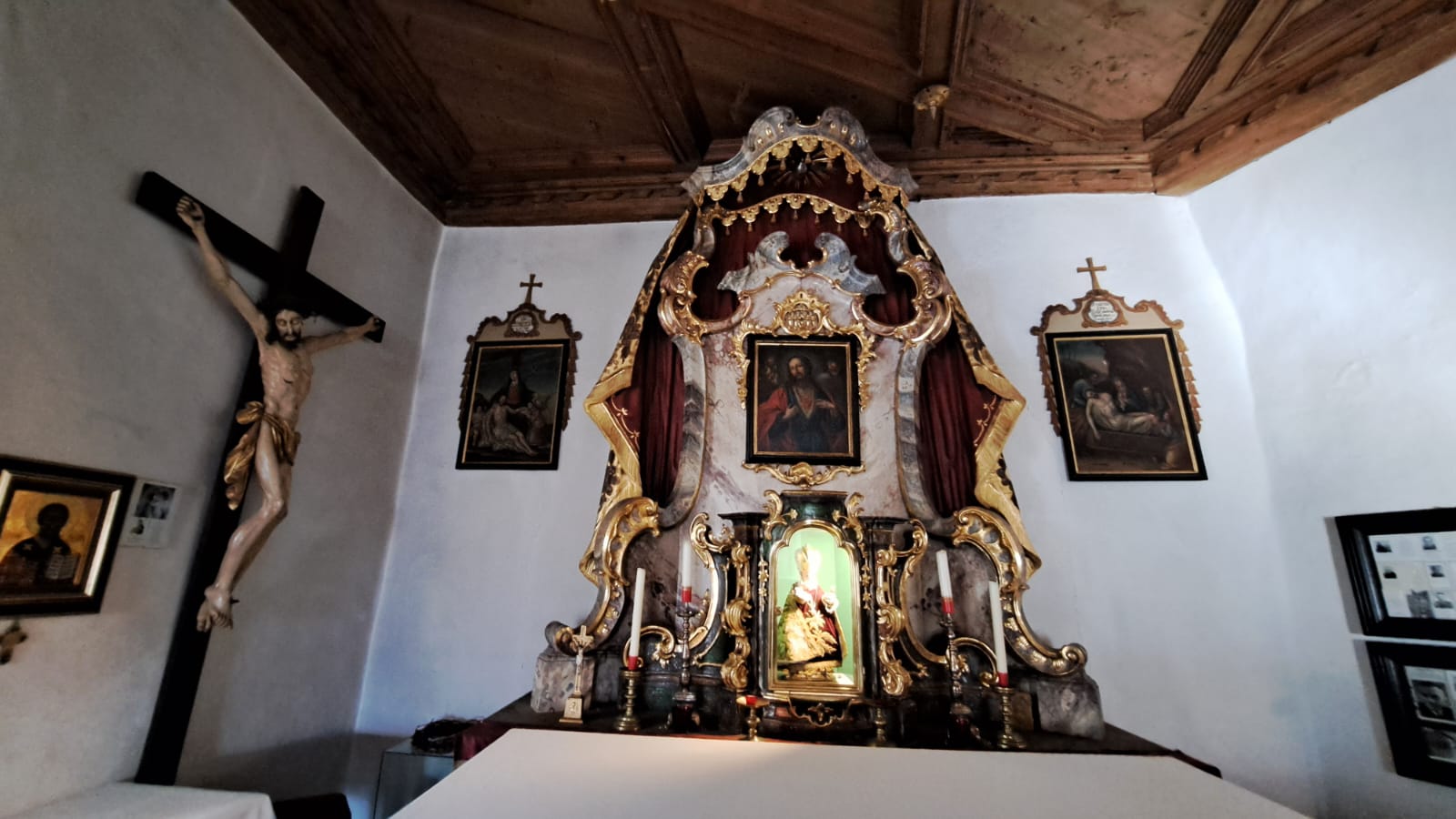
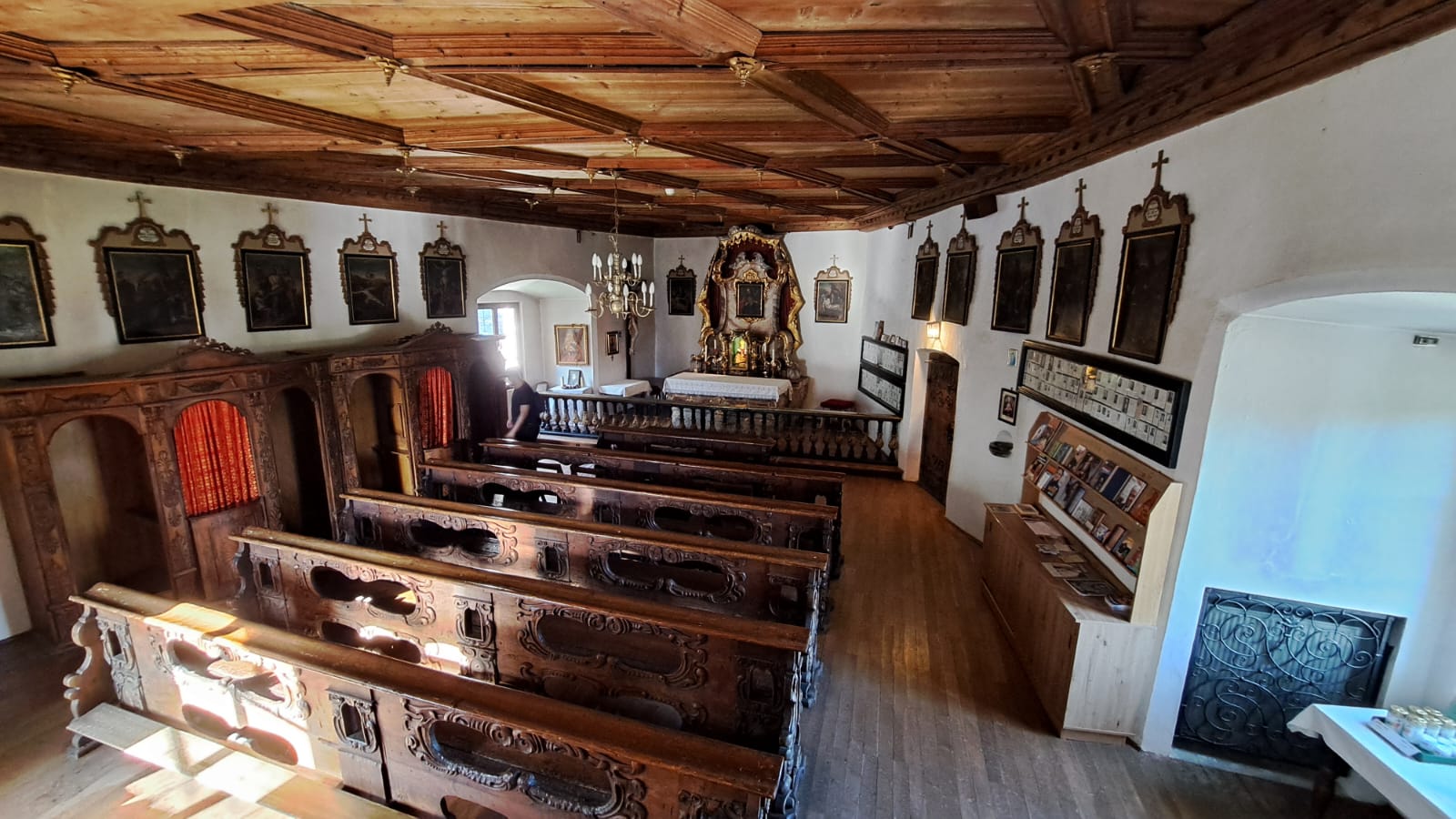
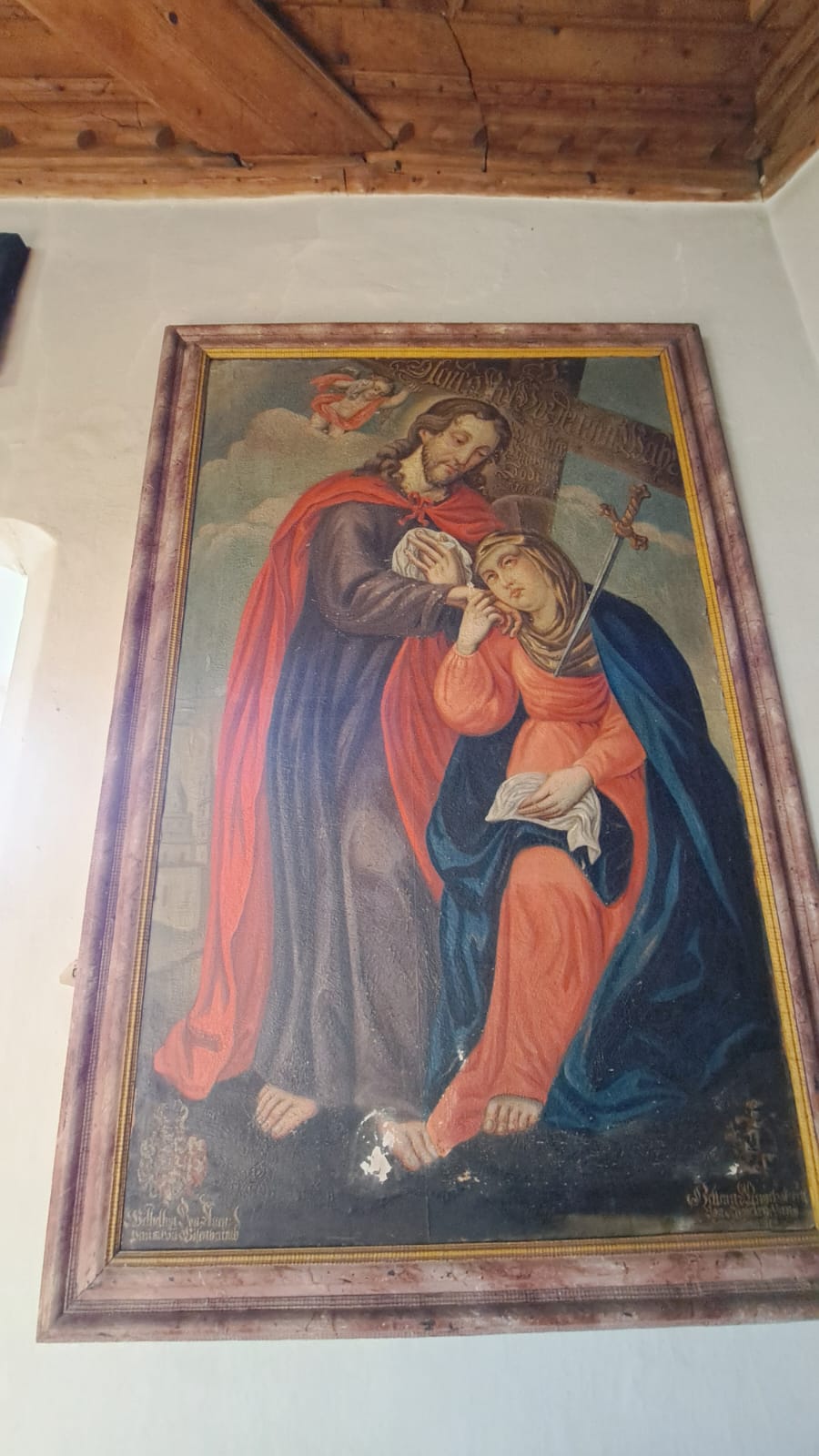
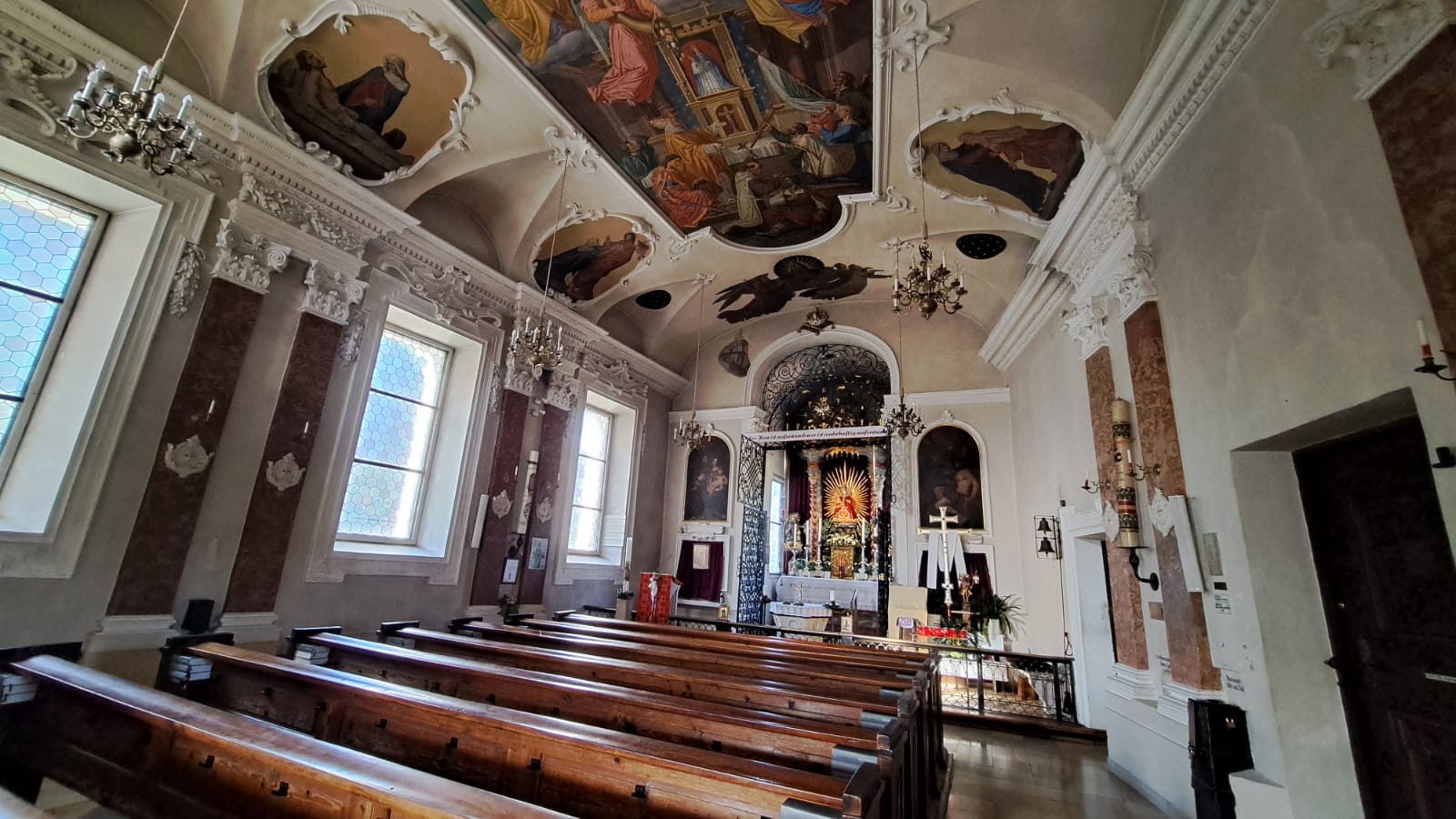
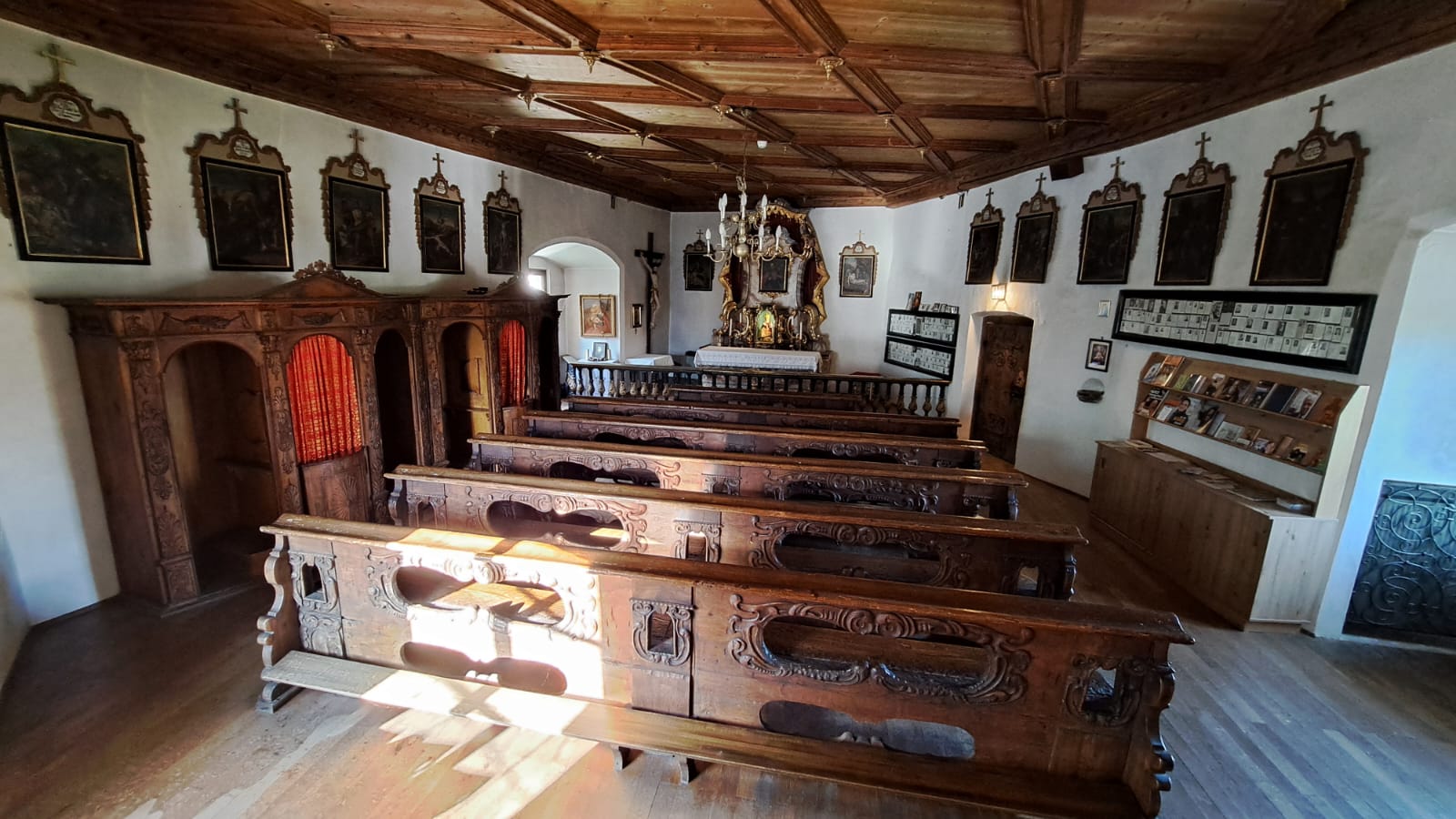
✓ Tour of the three chapels (castle chapel, cross chapel, and chapel of mercy)
✓ Castle courtyard and armoury
✓ Large and small knights’ hall
✓ Cassette ceiling
✓ Pilgrimage church = Chapel of Grace
✓ Gothic Chapel of Grace with Rococo altar
✓ Holy Cross Chapel with Prague Christ Child
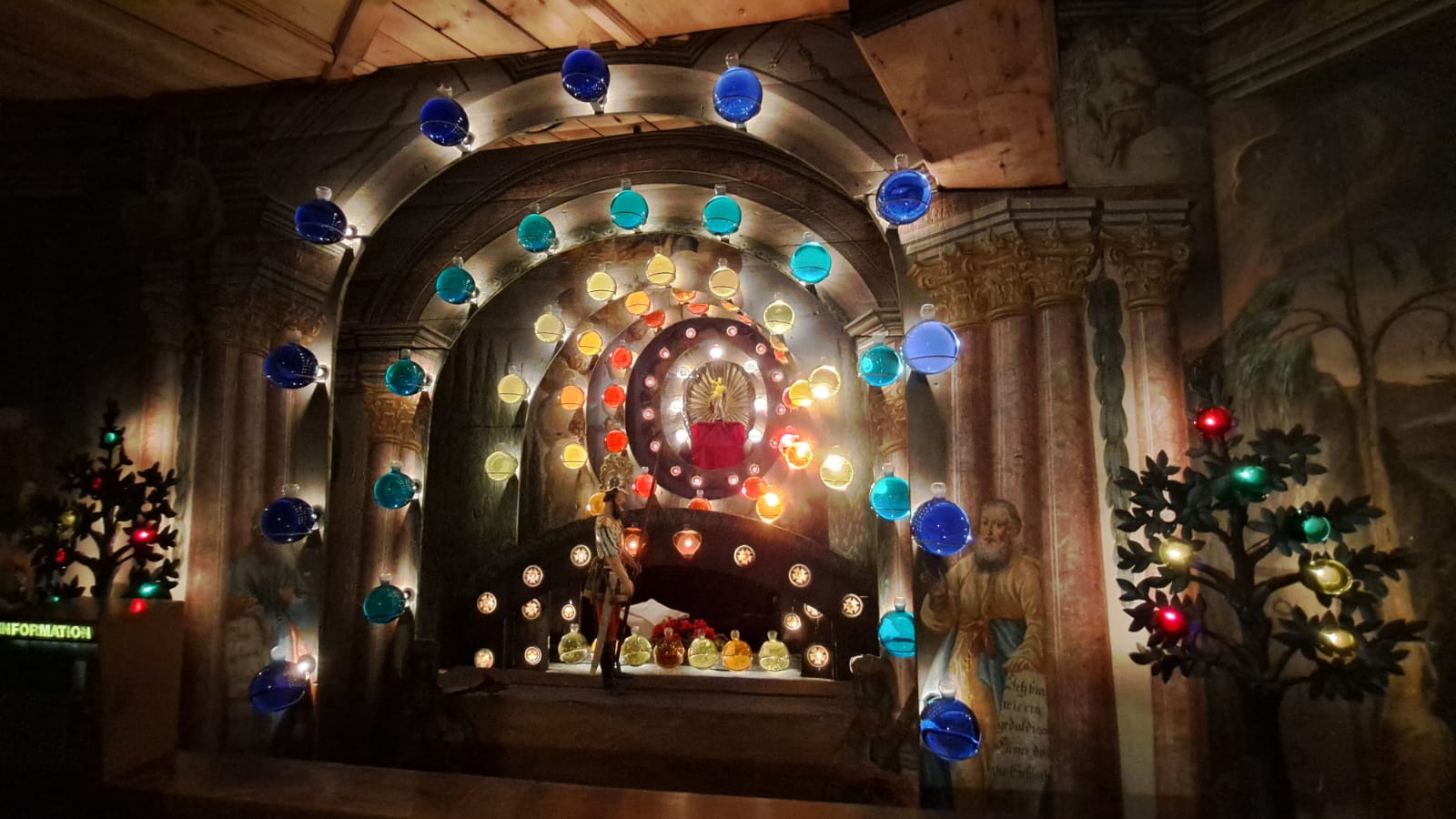
✓ Visit to the Easter tomb of Mariastein, which is equipped with a mechanism that plays organ music when you insert 1 euro and makes a guard run from left to right
✓ Castle museum with archducal crown and scepter, the Tyrolean state insignia
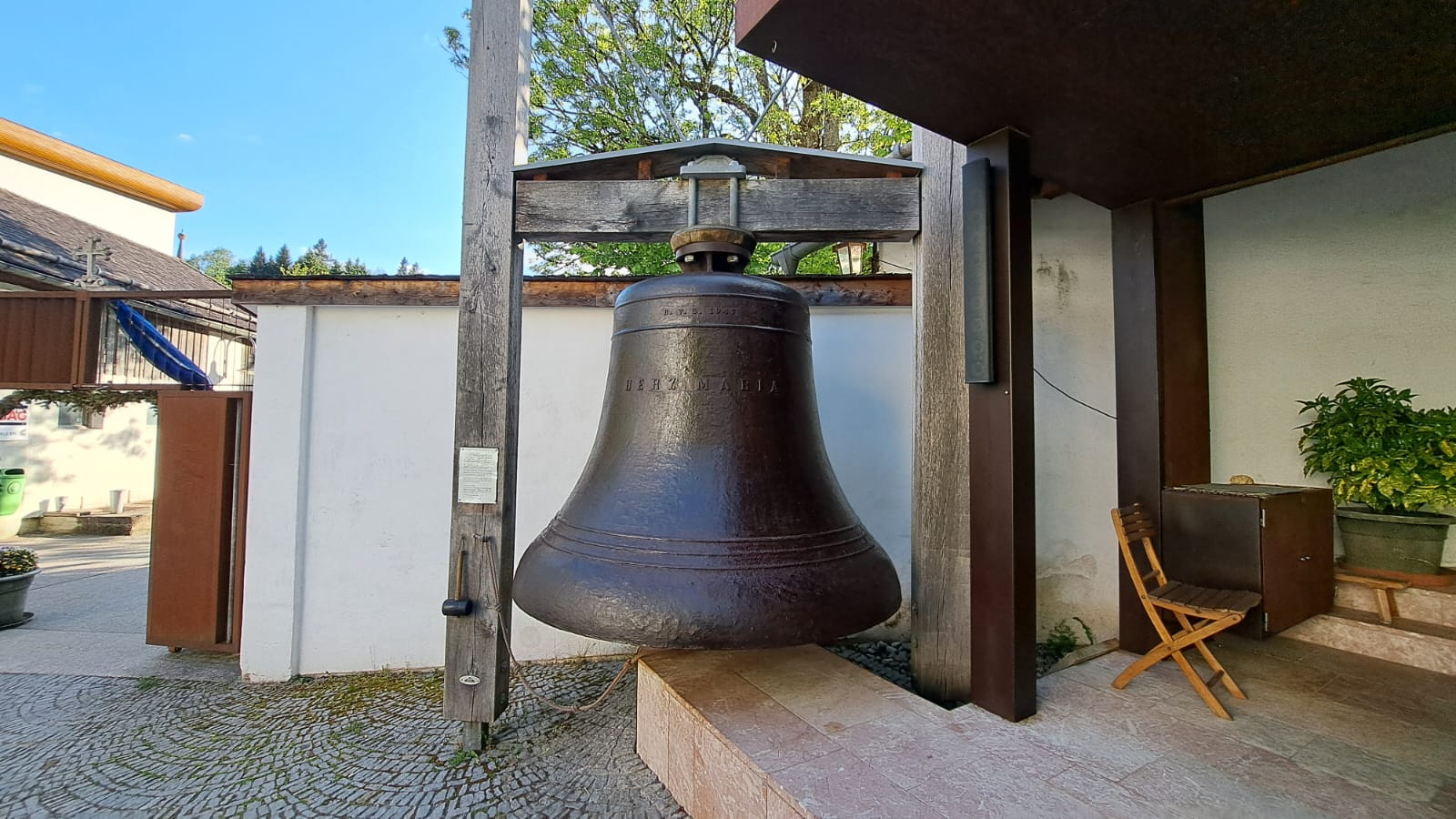
✓ Herz-Mariä bell cast in Bochum in 1947 along with four other bells
The themed tour can be incorporated into a day trip.
Day trip including visit to the Mariastein pilgrimage church: €290 plus €30 travel costs to the respective hotel.
Church tour with meeting point on site: Duration: max. 1 to 1.5 hours | Price: 160 euros
The tour highlights the ecclesiastical history from the castle’s origins to its development as a place of pilgrimage, the work of important rulers such as Maximilian III, and the Tyrolean bell tradition and its peace bells. Finally, the custom of Tyrolean Easter graves and their cultural and historical significance, as found in Mariastein, is discussed.
I look forward to your keen interest in discovering the former castle together with me.
Your Austria Guide Monika